

Quick answer: Hilot massage is a traditional Filipino healing bodywork method that combines rhythmic deep pressure, warm coconut oil, and banana leaves to identify body tension, loosen tight muscles, and promote deep pahinga or rest. It focuses on restoring balance to energy channels, making it a soothing wellness treatment for muscle stiffness.
Based on listings on Manila Touch as of November 2026. Rates change, so confirm with the spa when you book.
What Is Hilot Massage and Where Does It Come From?
Hilot massage is the traditional healing bodywork of the Philippines, practiced for generations across the archipelago. Rooted in indigenous Filipino wellness traditions, Hilot was historically performed by a local practitioner known as a manghihilot. Rather than focusing solely on superficial relaxation, this ancient art centers on identifying areas of imbalance, tension, or coldness within the body.
Historically, Hilot combined natural remedies—such as warm coconut oil infused with lemongrass or ginger—with intuitive touch. Today, it stands as a celebrated wellness practice across Philippine spas and home service care, giving wellness seekers a soothing way to reset after long workdays.
Whether enjoyed in a peaceful day spa or through Home Service Providers, Hilot remains deeply tied to Filipino culture. It offers a warm, comforting approach to physical rejuvenation that honors time-tested community traditions.
How Does a Hilot Massage Feel and What Happens During a Session?
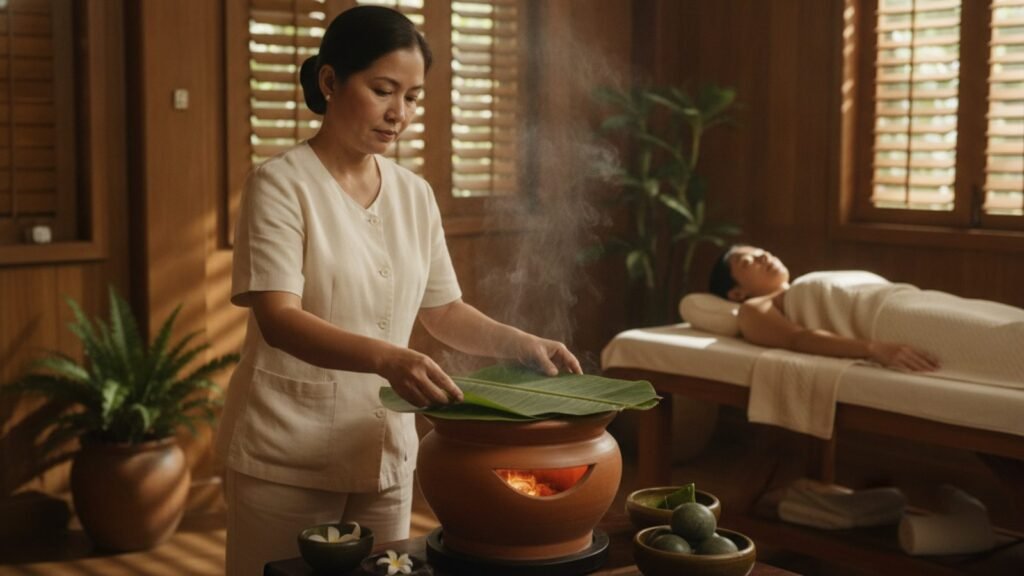
A typical Hilot session begins with an assessment where the therapist uses warm hands to scan your back, shoulders, and limbs for areas of knotting or stiffness. Therapists often pass warmed banana leaves brushed with coconut oil over your skin. In traditional practice, the leaves are believed to help locate congested muscle areas while providing gentle heat.
Once problem areas are identified, the therapist applies long, firm strokes paired with targeted thumb pressure to release muscle knots. The experience feels warming, deeply grounding, and rhythmic. You can expect:
- Application of warm coconut oil to reduce friction and nourish the skin.
- Gentle heating using warmed banana leaves across the back.
- Deep kneading strokes aimed at unburdening tight shoulders and back muscles.
- A quiet, unhurried pace designed to encourage deep mental pahinga.
The overall sensation is a satisfying mix of firm deep-tissue work and soothing warmth.
Who Should Try Hilot and Who Should Skip It?
Hilot bodywork is ideal for anyone suffering from daily posture strain, muscle stiffness, or general physical fatigue. Desk workers, frequent travelers, and anyone seeking authentic Filipino self-care will find the slow, rhythmic pressure deeply soothing.
However, safety and comfort come first. While Hilot is a gentle, natural practice, certain individuals should exercise caution or consult a healthcare professional before booking:
- Pregnant individuals: Always consult your doctor before receiving deep pressure or abdominal work.
- Those with recent injuries: Avoid bodywork over unhealed sprains, open wounds, or bone fractures.
- Individuals with skin conditions: Ask your doctor if warm oils or botanical leaves are suitable for sensitive skin.
- People with fever or active infections: Rest at home until fully recovered before receiving a massage.
Always communicate your comfort levels with your therapist before your session starts.
How Does Hilot Differ From Swedish and Deep Tissue Massage?
While Western bodywork techniques like Swedish massage rely on standard light gliding strokes, Hilot is uniquely intuitive and diagnostic. A Hilot practitioner actively checks your body for cold spots or muscle knots using warm palm scans before applying pressure.
Compared to a standard deep tissue massage, Hilot incorporates natural thermal elements—such as warm banana leaves and infused coconut oil—to relax tight tissues before applying targeted pressure. The rhythmic pace is unhurried, emphasizing total body harmony and mental reset rather than purely mechanical muscle stripping. For wellness enthusiasts, choosing Hilot offers a culturally rich alternative that feels both comforting and deeply therapeutic.
Where Can You Book a Hilot Massage in the Philippines?
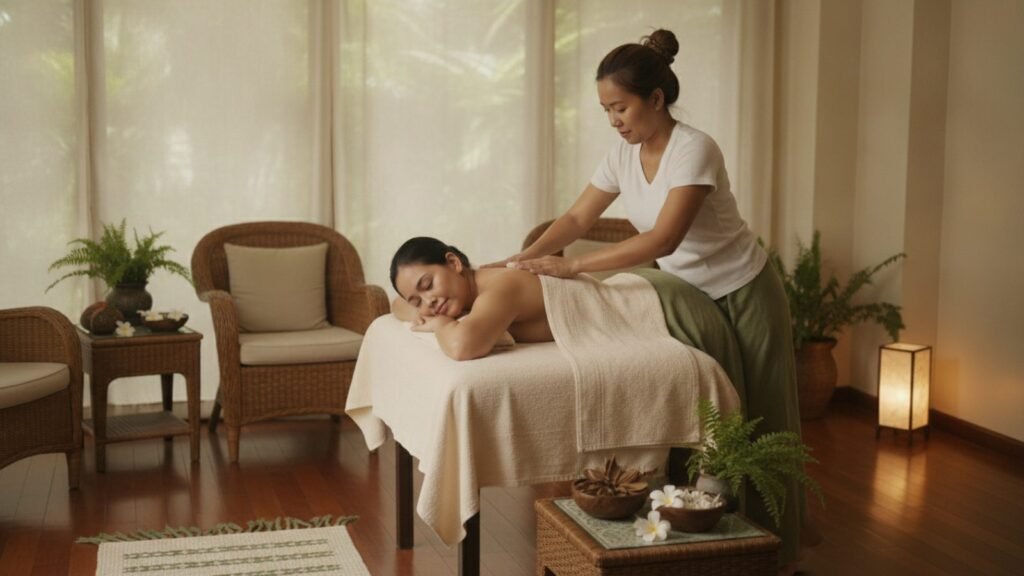
Hilot massage is widely available across the Philippines, from boutique day spas in major urban centers to convenient mobile pampering services. Many wellness lovers prefer booking Home Service Providers so they can drift off into relaxing sleep immediately after their treatment without navigating busy city traffic.
When looking for a trustworthy experience, turn to directory listings on Manila Touch. You can browse spa centers and independent therapists offering traditional Hilot across various cities. Remember to check booking details, ask about available herbal oils, and request your preferred pressure level to ensure a highly satisfying and relaxing pampering session right in your home or hotel room.
Spas offering Hilot · Find a spa near you
Frequently asked questions
What makes Hilot massage different from other massages?
Hilot stands out because of its traditional Filipino roots and diagnostic approach. Practitioners scan the body for areas of tension or muscle knots using warm palms, herbal coconut oil, and warmed banana leaves, creating a unique blend of thermotherapy and deep rhythmic bodywork.
Do I need to prepare anything before a Hilot session at home?
Prepare a clean, quiet space with fresh towels and comfortable room temperature. Avoid eating a heavy meal right before your appointment, and inform your Home Service Providers of any existing muscle strain or sensitive areas before the session begins.
Is Hilot massage painful?
Hilot involves firm pressure to release deep muscle tension, but it should never feel sharp or unbearable. Communicate openly with your therapist so they can adjust their pressure to match your comfort level throughout the treatment.
How often should I get a Hilot massage?
Getting Hilot once or twice a month is ideal for routine relaxation and maintaining muscle flexibility. If you experience intense daily physical fatigue or work-related posture stress, weekly sessions can help support consistent rest and recovery.
Own a spa or work as a Home Service Provider? Claim or list your business on Manila Touch.