
More Than Just a Foot Rub: Unlocking the Secrets of Reflexology
We Filipinos love a good massage. After a long week of navigating EDSA traffic, facing deadlines, or just dealing with the daily grind, there’s nothing quite like a therapeutic touch to melt the stress away. While many of us are familiar with popular massages like Swedish or the traditional Filipino hilot, there’s another powerful practice that focuses solely on your feet but promises full-body benefits: Reflexology.
But what exactly is it? Is it just a fancy foot massage? Spoiler alert: it’s much more. Let’s walk through this ancient healing art and discover how pressing points on your feet can bring you a sense of balance and wellness.

The Core Idea: How Does Reflexology Work?
Reflexology is an ancient practice based on the principle that there are specific “reflex points” on the feet, hands, and ears that correspond to all the organs, glands, and parts of the body. Think of it as a remote control for your body. By applying targeted pressure to these points, a skilled reflexologist can help release tension, improve circulation, and support the body’s natural healing processes.
It’s a bit like acupuncture or acupressure, but instead of using needles or focusing on the body’s meridian lines, reflexology concentrates on these specific reflex maps. The idea is that pressing a point on the big toe, for instance, can stimulate the head and brain, while a point on the heel might correspond to the lower back and sciatic nerve.
Is It Different From a Regular Foot Massage?
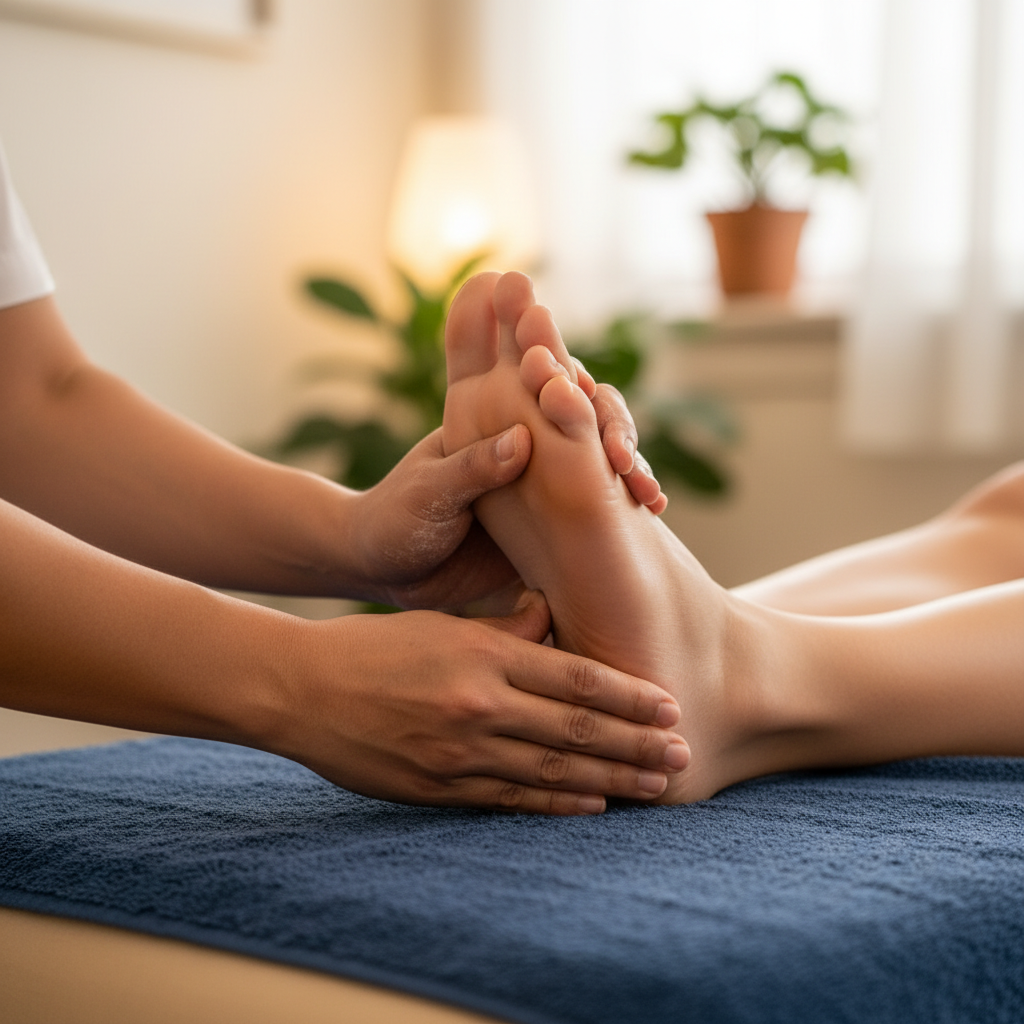
Absolutely! While a regular foot massage at your local spa feels fantastic and is great for soothing tired, aching feet, its main goal is relaxation and muscle relief in the feet and lower legs. Reflexology, on the other hand, is a much more targeted and systematic pressure-point massage. The therapist uses their thumb, fingers, and sometimes even small tools to apply pressure to very specific points. The intention is not just to relax the feet, but to affect the entire body system and promote overall well-being.
The Potential Health Benefits on Your Sole
While reflexology shouldn’t replace medical treatment, many people seek it out as a complementary therapy to help manage various conditions and improve their quality of life. The benefits are not just anecdotal; scientific research has begun to explore its effects.
- Stress and Anxiety Reduction: This is one of the most well-known benefits. A study published by the U.S. National Institutes of Health (NIH) found that reflexology was effective in reducing stress and pain in adults. The gentle, focused touch can calm the nervous system and promote a deep state of relaxation.
- Pain Management: Many people with chronic pain, from migraines to back pain, find relief through reflexology. By stimulating specific reflex points, it may help interrupt pain signals and release endorphins, the body’s natural painkillers.
- Improved Sleep Quality: If you find it hard to get a good night’s rest, a reflexology session might be just what you need. By calming the body and mind, it can help you fall asleep faster and enjoy deeper, more restorative sleep.
- Enhanced Circulation: The pressure applied during a session can help improve blood flow to vital organs, promoting better oxygenation and overall function.
These advantages are part of the wider top benefits of massage therapy, which all aim to create a healthier and more balanced state for your body and mind.
What to Expect During Your First Reflexology Session
If you’re new to reflexology, it’s natural to feel a bit curious or even nervous. Here’s a quick rundown of what a typical session looks like:
- Consultation: Your session will likely start with a brief chat with the therapist about your health, lifestyle, and any specific concerns you have. This helps them tailor the session to your needs.
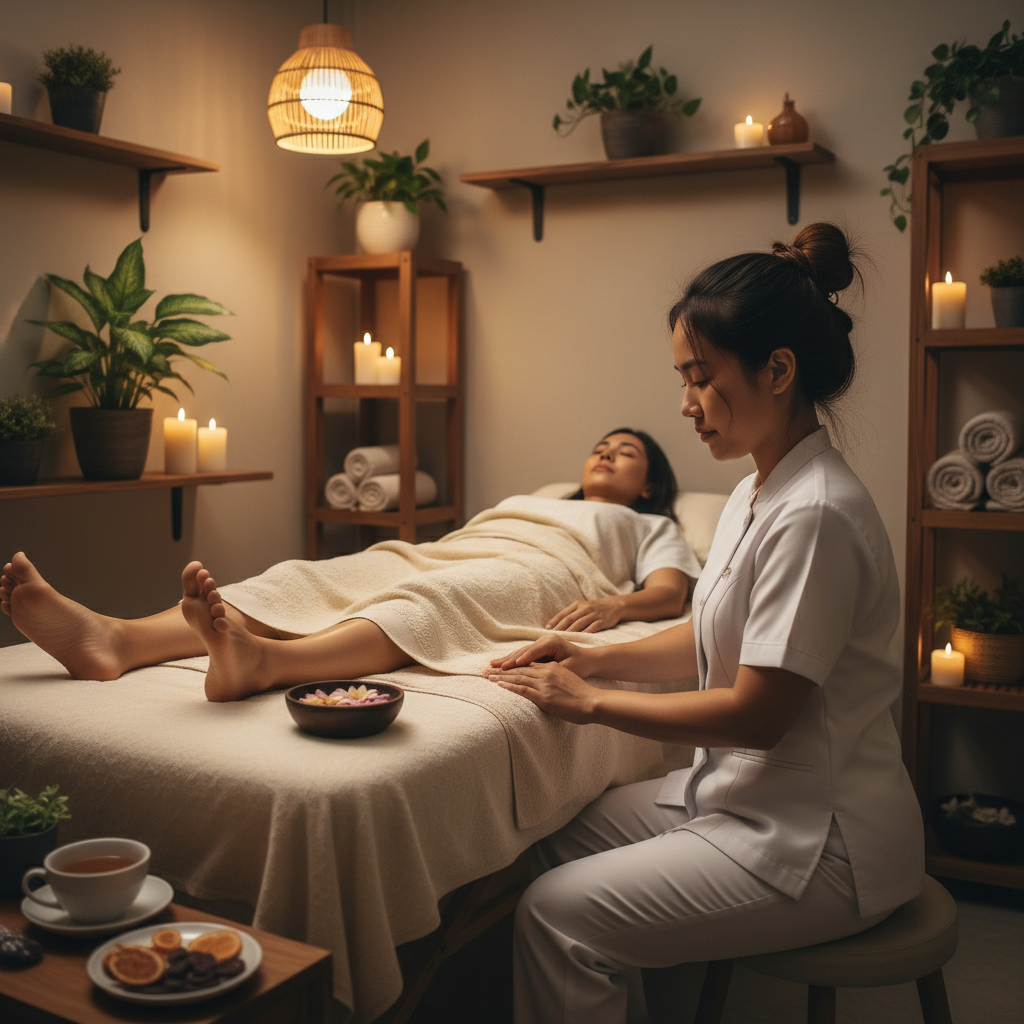
- Getting Comfortable: You’ll be asked to lie down on a comfortable massage table or recline in a chair. You only need to remove your shoes and socks. It’s a non-invasive therapy, so you remain fully clothed.
- The Session: The therapist will begin by gently cleansing your feet. They will then start applying pressure, using specific thumb and finger techniques to work on every part of your feet. You might feel some sensations of tenderness or sensitivity in certain spots. It’s important to communicate with your therapist; the pressure should be firm but not painful.
- Winding Down: The session usually lasts from 30 to 60 minutes. Afterwards, you might feel deeply relaxed, a little lightheaded, or even energized. It’s recommended to drink plenty of water to help flush out toxins.
Is Reflexology for Everyone?
Reflexology is generally safe for most people. However, if you are pregnant, have foot injuries, gout, or circulatory issues like thrombosis, it’s crucial to consult with your doctor first. Always inform your therapist about any health conditions you have before the session begins.
Ready to Take the First Step?
In a world that constantly demands our energy, taking time for practices like reflexology is a powerful act of self-care. It’s a chance to quiet the mind, listen to your body, and tap into its incredible ability to heal itself. More than just a simple foot massage, it’s a holistic therapy that can bring you back to a state of balance and calm.
Feeling inspired to treat your feet and your whole body? It’s time to find the perfect spot for a healing session. Explore our directory to find the best-rated reflexology services near you and book a session that will leave you feeling refreshed and renewed from head to toe.